A Cosmic Coincidence
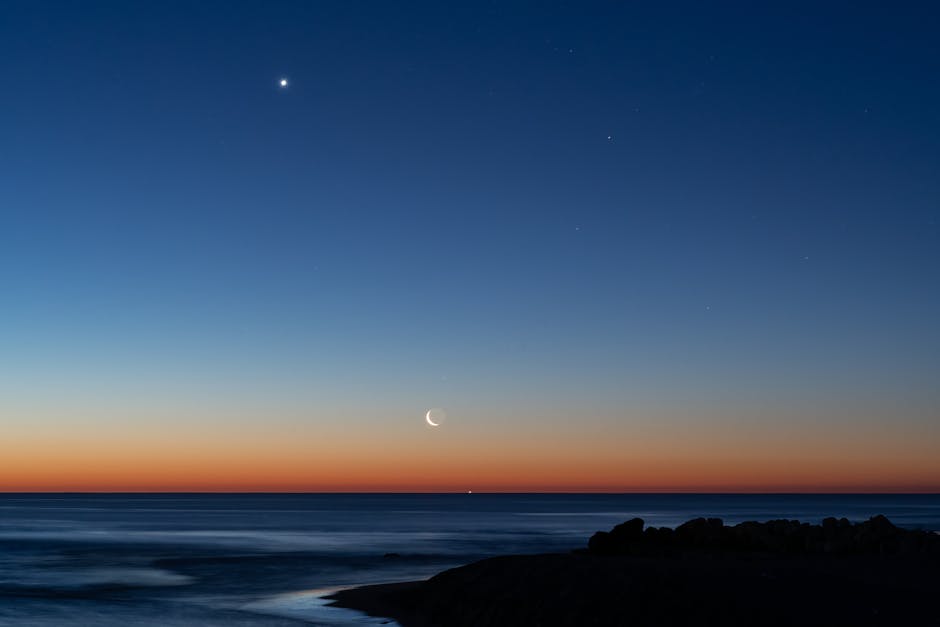
A total solar eclipse occurs because of a remarkable geometric coincidence: the Sun is approximately 400 times wider than the Moon, but it is also roughly 400 times farther away from Earth. Because of this, the two bodies appear almost exactly the same size in our sky.
Total vs. Partial
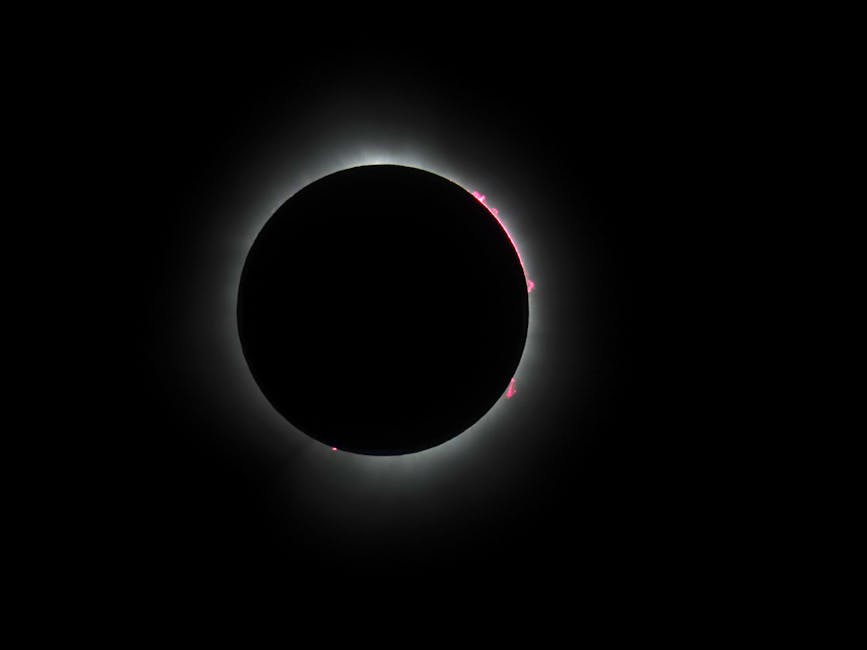
During a Total Solar Eclipse, the moon perfectly aligns to block the sun's bright face, plunging the path of totality into an eerie twilight. This reveals the sun's outer atmosphere, the corona, a wispy, glowing halo of plasma that is otherwise invisible due to the sun's intense glare.
During a Partial Solar Eclipse, the alignment is slightly off-center. The moon only blocks a portion of the sun, creating a crescent shape. While fascinating, it does not safely allow observers to see the corona, and solar viewing glasses must be worn at all times.
Cultural Significance
Before the underlying mechanics of the solar system were understood, eclipses were often viewed as omens or supernatural events. Ancient Chinese records suggest eclipses were caused by a celestial dragon devouring the sun, prompting loud drumming to scare the beast away. Today, they remain a source of profound inspiration, bridging the gap between ancient mythology and modern astrophysics.